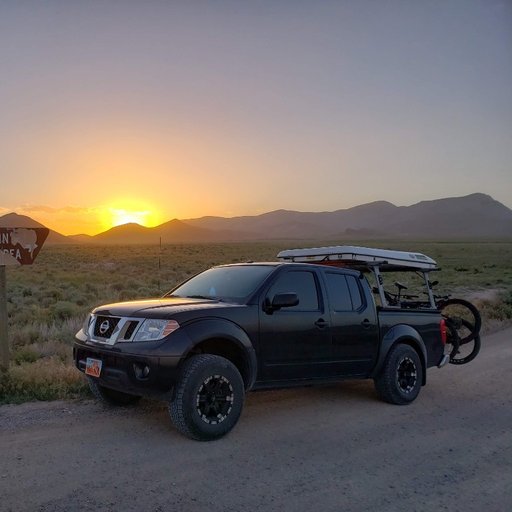
Reliability & trip confidence
This is the core Reddit split. 4Runner owners optimize build lists; Wrangler owners optimize routes and spare parts. Our editorial reliability gap is real-world felt on multi-day trips far from dealers. If your overland definition includes "make it home without a tow," Toyota has the reputation edge.
Cargo, payload & build flexibility
4Runner wins enclosed volume and roughly six hundred pounds more payload in our shorthand—meaning RTT, drawer, and fridge stacks are less likely to blow past placard math. Wrangler cargo is smaller and harder to organize unless you add external storage or a trailer. Wrangler payload is the silent constraint in many "why is my build so heavy?" posts.
Trail performance
Wrangler wins removable doors, short-wheelbase agility, and crawl-focused aftermarket. 4Runner is competent on moderate dirt and fire roads but is not the rock-crawler default. If Instagram trails are your benchmark, Wrangler; if forest-service roads to dispersed camp are the norm, 4Runner is the rational pick.
Cost of ownership vibe
Similar new-money bands in our catalog, but Wrangler mod spend often continues forever; 4Runner mod spend tends toward rack, tent, and recovery then stop. Resale on both is strong. Fuel economy favors neither—plan for gallons, not mpg bragging.
Side by side
Bench two rigs
Neutral explorer presets (mid budget, rooftop tent vibe, capability emphasis). Match % is directional—take the quiz to weight your own priorities.
Editorial baseline

Editorial baseline

| SPEC | JEEP WRANGLER | TOYOTA 4RUNNER |
|---|---|---|
| MATCH % (ED.) | 76% | 88% |
| PLATFORM | Jeep Wrangler | Toyota 4Runner |
| PRICE BAND (ED.) | $35k – $65k new | $40k – $56k new |
| RELIABILITY (ED.) | 6/10 | 9/10 |
| FACTORY GROUND CLEARANCE | 10.8″ | 9.6″ |
| FACTORY PAYLOAD (EMPTY) | 1,100 lb | 1,700 lb |
| CARGO (CU FT, APRX.) | 32 cu ft | 47 cu ft |
| TRAIL REALITY: TYPICAL OVERLANDING BUILD (RTT + FRIDGE SETUP) | ||
| REMAINING PAYLOAD (LOADED) | 250 lb | 850 lb |
| EFFECTIVE GROUND CLEARANCE (LOADED) | 10.1″ | 8.9″ |
| What is your target budget for the base rig | 4/5 | 4/5 |
| Who is coming along, and how heavy do you pack | 3/5 | 5/5 |
| What is your preferred sleep setup | 3/5 | 4/5 |
| What is the toughest terrain you realistically plan to tackle | 4/5 | 5/5 |
| What matters most to you | 5/5 | 4/5 |
Common questions
- Is the 4Runner boring compared to a Wrangler?
- Less theatrical, yes—also less wind noise and fewer top leaks. "Boring" on a Tuesday commute often reads as dependable on Sunday in the backcountry.
- Can a 4Runner do what Wrangler owners do?
- On moderate overland routes, absolutely. On the hardest local crawl spots, Wrangler culture exists for a reason. Match the rig to the trails you actually run, not the ones you scroll.
- Which is better for a roof-top tent?
- Both run RTTs constantly. 4Runner gives you more in-cabin storage for bedding and kitchen kit; Wrangler gives you the open-air experience when the top is off—different camp vibe, similar roof load homework.
- Used Wrangler vs new 4Runner?
- Classic budget fork. Factor inspection cost, expected repairs, and whether you need enclosed space on day one. Our compare table and quiz weight terrain and sleep style if you are stuck.
Real builds on these platforms
No one has shared a real build on Jeep Wrangler or Toyota 4Runner yet.
Already have a Jeep Wrangler?
Read next




 Index
IndexStill torn?
Five questions on terrain, budget, and sleep style—get a shortlist with match scores tailored to how you actually camp.
Take the quiz →Factory payload, clearance, and cargo from manufacturer ratings — trim and year vary; verify on the door placard. Remaining-payload after occupants and gear is the Overland Match editorial load model.