Ultimate overland gear list: must-haves for your kit
Short answer: our twelve-category starter kit weighs ~203 lb and runs about $3,125 in mid-tier picks—on a 2nd gen Frontier that leaves ~1,017 lb remaining payload with two occupants. Verify your door placard before you load up.
Step 0 tires through camp systems — editorial brand picks, checklist order, and payload math below.
By Jon-Michael Dreher · Overlanding editor & platform-build analyst
Updated 2026 · last reviewed 2026-08-06 · 10 min read
Getting a new overlanding rig is one thing. Knowing what overlanding gear to put in it is another. This overland gear list cuts through the noise: thirteen must-have categories with three proven brands each. New to the hobby? Read what is overlanding first, then build your kit from here. Mid-size truck? See 2nd gen Nissan Frontier specs for payload context before you load up.
The anti-hype reality: why your first overland gear list is too heavy
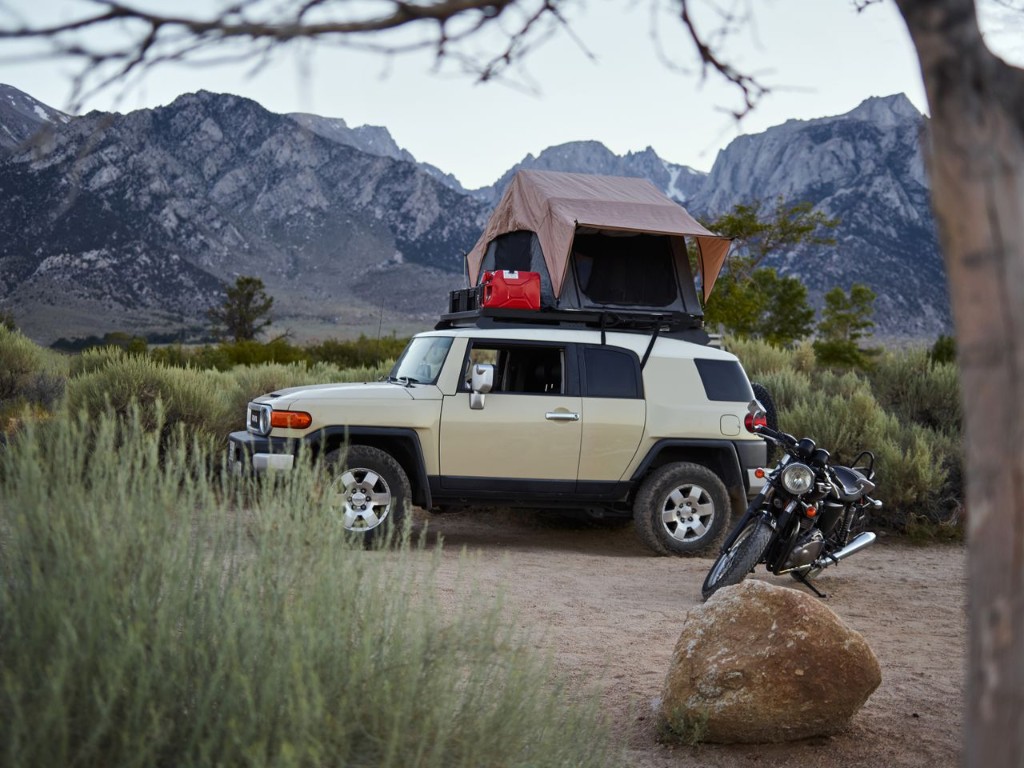
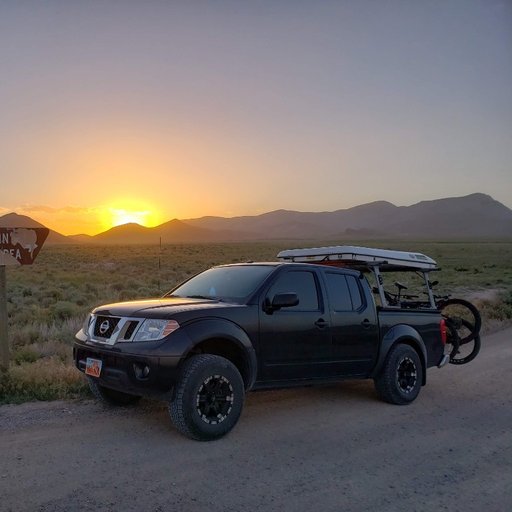
Instagram and YouTube overlanding builds look complete because the camera never pans to a door-jamb placard or a CAT scale ticket. A rooftop tent, steel bumpers, and a drawer system photograph well at 0 mph—they also consume hundreds of pounds of payload before you add water, passengers, or fuel. Forum photos rarely show the hidden tax behind every "finished" build shot.
The Reddit split on starter kits is predictable: half the replies push a branded overlanding equipment bundle with a hard-sided RTT and winch on day one; the other half asks whether you have weighed the empty truck. Beginners often buy the heavy kit first and discover months later that their mid-size platform is already past sensible placard math. Dealer brochure payload is marketing shorthand—your trim, options, and permanent mods move the real number.
We recommend a two-night shakedown within cell range using basic camping gear—a ground tent, cooler, traction boards, and a quality tire deflator—before you finance an entire overlanding kit. Run a BLM dispersed route close enough to pavement that mistakes are cheap. Note what broke, what rattled loose on washboards, and what you actually used versus what looked essential in a reel.
Only then stack tires, air, recovery, water, and safety in the checklist order below — sleep and power after a shakedown proves you need them. Payload math says no to some upgrades on some platforms—that is a feature, not a failure. Verify your door placard before the next purchase; ledger weights are typical installed figures, not a warranty promise.
Overland gear checklist
Priority order for a weekend trail rig or starter overlanding kit — tires and air first, recovery next, safety before sleep. Jump to each section for brand picks.
Remaining payload on a 2nd gen Nissan Frontier as you complete the starter checklist
2nd gen Frontier payload impact — buy phase by phase
Uses editorial 2nd gen Frontier payload (1,520 lb) minus two occupants (300 lb). Highlighted cells fall below our safe threshold.
Buy phase
Added weight
Running gear
Remaining payload (Frontier)
Stock (2 occupants)
—
0 lb
1,220 lb
After all-terrain tires (set)
24 lb
24 lb
1,196 lb
After portable air & deflator
19 lb
43 lb
1,177 lb
After tire repair kit
3 lb
46 lb
1,174 lb
After recovery boards
17 lb
63 lb
1,157 lb
After recovery straps
12 lb
75 lb
1,145 lb
After camp & recovery shovel
5 lb
80 lb
1,140 lb
After water storage
58 lb
138 lb
1,082 lb
After first aid
12 lb
150 lb
1,070 lb
After offline navigation
—
150 lb
1,070 lb
After sleep system
34 lb
184 lb
1,036 lb
After comms
5 lb
189 lb
1,031 lb
After portable power
14 lb
203 lb
1,017 lb
After hi-lift / bottle jack (optional)
32 lb
235 lb
985 lb
After rtt overland upgrade (optional)
216 lb
451 lb
769 lb
After fridge upgrade (optional)
43 lb
494 lb
726 lb
00
All-Terrain Tires
Your tires are the first recovery tool — they touch every mile of dirt, gravel, and rock. All-terrain tires add sidewall protection and tread depth that stock highway rubber lacks; they are also heavier, so count the weight delta in your payload math. Size for daily comfort and placard load index, not just the trailhead photo. Bed-match a full-size spare before you buy traction boards.
BFGoodrich All-Terrain T/A KO2
The default recommendation in overlanding forums for a reason — tough sidewalls, deep tread, and a huge size matrix for trucks and SUVs.
Airing down is the highest-ROI traction upgrade — it works before boards, straps, or a winch enter the picture. A portable compressor gets you back to placard pressure before the highway; deflators and a trusted gauge keep all four corners consistent. Don't skimp on this one — buy compressor, deflator, and gauge as one system.
Viair 400P
Portable, reliable, and trusted by overlanders for years. Connects to your battery and reinflates truck and SUV tires without hunting for a gas station.
A puncture on sharp rock is a trip-ender if you cannot plug and re-inflate. Plug kits, valve-core tools, and a full-size spare are the difference between a twenty-minute fix and a night waiting for help. Practice on a scrap tire at home — plugging under stress in mud is harder than YouTube makes it look.
ARB Speedy Seal
Complete plug kit with tools sized for truck tires. The kit you want when a sidewall screw ends the trip without a spare handy.
When your tires spin out in sand, mud, or snow, recovery boards bridge traction gaps — but they work best after you have aired down correctly. They are the go-to solo recovery tool when no second vehicle is around. Start with two; carry four if you are heavy, towing, or regular on deep sand.
MAXTRAX
The original and still the benchmark. Australian-made, incredibly durable, and used by expedition teams worldwide.
When recovery boards are not enough, a rated strap and a friend's vehicle can pull you out of almost anything — if you have proper recovery points, not factory tie-down loops. Quality matters here — cheap straps snap under load and become dangerous projectiles. Don't skimp on this one.
Bubba Rope
The most trusted kinetic recovery rope in the overlanding community. Stores energy like a bungee for a smooth, powerful pull.
A real shovel is recovery gear and camp gear — dig out a buried tire, level a site, cut a drainage trench in rain. Folding shovels save space but sacrifice leverage; long-handled tools work better if you can reach them when you are already stuck. Store it where you can grab it without unloading the whole bed.
DMOS Stealth
Collapsible shovel with real leverage — digs out buried tires and levels camp without the toy folding-shovel frustration.
You need more water than you think — for drinking, cooking, washing, and emergencies. Plan for at least a gallon per person per day, plus extra. Purpose-built overlanding water containers are durable, stackable, and won't leach chemicals into your supply.
Rotopax
Modular, mountable cans that attach to roof racks, spare tires, or bed rails. The most versatile water storage system available.
You are the first responder when you are miles from cell service. A well-stocked kit — plus a fire extinguisher sized to your vehicle — matters as much as traction boards. Take a Wilderness First Aid course if you are planning remote trips; gear without training is just weight.
Adventure Medical Kits
The best-organized first aid kits for backcountry use. Sized by trip length and group size — start with the Backcountry series.
Google Maps stops working the moment you leave cell range. Offline navigation apps with downloaded topo maps let you navigate trails, find water sources, and plan routes without any signal. Download your maps before you leave — not at the trailhead.
Gaia GPS
The most comprehensive trail maps available on mobile. Used by hikers, overlanders, and search & rescue teams alike.
How you sleep defines your whole trip. Ground tents are lighter, cheaper, and kinder to mid-size payload math — start there unless a shakedown proved you need elevated sleep. Rooftop tents (RTTs) set up fast and keep you off the ground, but they stack weight high and consume payload fast. Neither is wrong once your placard agrees.
Big Agnes
If you prefer a ground tent, Big Agnes makes the most overland-friendly options — durable, packable, and weather-resistant.
Cell service disappears fast in the backcountry. A satellite communicator lets you send messages, share your location, and call for emergency rescue from anywhere on Earth. This is the one piece of gear you hope you never need — and will be glad you have if you do.
Garmin inReach
The industry standard. Two-way satellite messaging, SOS, and GPS tracking with an affordable subscription plan.
Phones, cameras, lights, a fridge — modern overlanding runs on electricity. A portable power station gives you a reliable power bank that can be recharged via solar panels, your vehicle's alternator, or shore power at a campsite.
Jackery
The most recognizable name in portable power. Excellent solar integration and a huge range of capacities to match your needs.
Lifting gear is powerful and easy to misuse. Hi-lift jacks can winch, lift, and spread — but they are unpredictable without training and proper jack points. Many overlanders are better served by a bottle jack, base plate, and traction boards for lift-and-fill recovery. Watch a tutorial before your first trip; this category is optional until your routes demand it.
Hi-Lift Jack Co.
The original farm jack — versatile but demanding. Requires proper jacking points, stable ground, and practice before remote use.
What are the absolute essentials for overlanding if I'm on a strict budget? Tier 1 is tires, tire pressure, and self-recovery: all-terrain rubber with a matched spare, a portable compressor with deflators and a gauge, a plug kit, traction boards, a rated recovery strap with shackles, a shovel, water you can actually carry, and a first-aid kit sized to your crew. That essentials-for-overlanding bundle weighs far less than a rooftop-tent influencer kit and costs a fraction of a pre-boxed overlanding equipment crate. Skip the hi-lift, winch, drawer system, and satellite messenger until a real shakedown proves you need them—not because a gear list on social media said you should.
How do I know if my overlanding equipment is making my vehicle unsafe? Compare loaded weight to your door-jamb placard: GVWR, GAWR, and tire load index still govern on public roads even when the truck looks level on new springs. Stack your overland gear list weights against our starter ledger, then confirm with a commercial truck scale—total weight and per-axle if the scale offers it. If remaining payload in our editorial model drops below our overload warning band (<100 lb with two occupants) or you are over sticker gross weight, the fix is lighter gear or a different platform—not another inch of lift.
Should I buy a pre-assembled overlanding kit or build my own gear list? Pre-assembled overland gear kits optimize for photos and margin, not your routes, passengers, or placard. Build modularly: buy checklist categories one at a time after shakedown trips expose real gaps. Typical gear-list weights let you stack recovery, sleep, and power in priority order before you commit to a $3k RTT you cannot garage or a bumper you cannot afford to fuel around. When a bundled kit matches your verified load profile and sleep style, buy it—but treat "complete overlanding kit" marketing like any other spec sheet until a scale agrees.