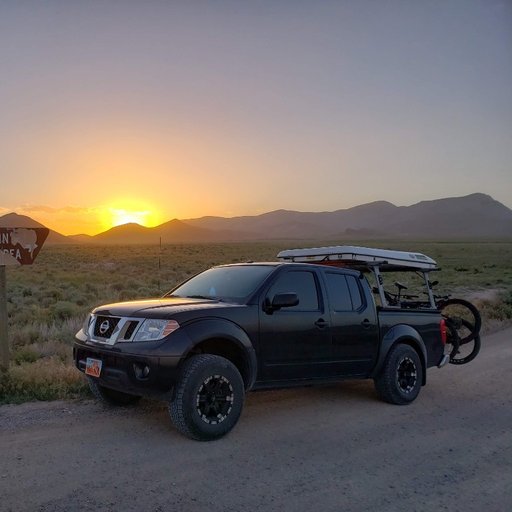
Trail personality & wheelbase
Gladiator is a Wrangler with a bed—removable top vibes, solid crawl hardware, and a wheelbase that helps on high-speed dirt but hurts on tight switchbacks. Tacoma is the balanced midsize: TRD Off-Road / Pro trims, lockers on the right configs, and a footprint that still fits forest roads. Forum fights often ignore wheelbase: Gladiator owners love the stability; Tacoma owners love not three-pointing every hairpin.
Bed, payload & build paths
Both run RTT-on-bed-rack builds, drawer systems, and topper setups. Tacoma payload in our shorthand is a few hundred pounds higher; Gladiator's bed is slightly shorter but still usable for moto, firewood, and wet gear. Either can blow past placard math with steel bumpers, a tent, and a full water load—treat our numbers as directional and read the sticker on your trim.
Daily driver & long hauls
Tacoma wins most "would you drive it cross-country?" threads—quieter cabin, less top drama, better fuel economy band for a truck. Gladiator is louder and more theatrical; owners who daily it usually knew that going in. If overland means pavement to Colorado every month, Tacoma fatigue is lower.
Reliability & used market
Tacoma has the larger used pool and the "boring but keeps running" reputation. Gladiator shares Wrangler-era question marks depending on year and options—budget inspection and mod restraint. Resale on both is strong; Tacoma search volume is higher, which helps when you want a specific TRD spec.
Side by side
Bench two rigs
Neutral explorer presets (mid budget, rooftop tent vibe, capability emphasis). Match % is directional—take the quiz to weight your own priorities.
Editorial baseline

Editorial baseline

| SPEC | JEEP GLADIATOR | TOYOTA TACOMA (4TH GEN) |
|---|---|---|
| MATCH % (ED.) | 76% | 76% |
| PLATFORM | Jeep Gladiator | Toyota Tacoma (4th gen) |
| PRICE BAND (ED.) | $45k – $65k | $39k – $63k new (hybrid trims higher) |
| RELIABILITY (ED.) | 6/10 | 8/10 |
| FACTORY GROUND CLEARANCE | 11.1″ | 9.9″ |
| FACTORY PAYLOAD (EMPTY) | 1,200 lb | 1,715 lb |
| CARGO (CU FT, APRX.) | 35 cu ft | 41 cu ft |
| TRAIL REALITY: TYPICAL OVERLANDING BUILD (RTT + FRIDGE SETUP) | ||
| REMAINING PAYLOAD (LOADED) | 350 lb | 865 lb |
| EFFECTIVE GROUND CLEARANCE (LOADED) | 10.4″ | 9.2″ |
| What is your target budget for the base rig | 3/5 | 4/5 |
| Who is coming along, and how heavy do you pack | 4/5 | 3/5 |
| What is your preferred sleep setup | 4/5 | 3/5 |
| What is the toughest terrain you realistically plan to tackle | 4/5 | 5/5 |
| What matters most to you | 4/5 | 4/5 |
Common questions
- Is the Gladiator too long for serious trails?
- It is longer than a Wrangler and longer than a Tacoma—tight tree lines and sharp switchbacks are where owners notice. For moderate overland routes and open desert, most owners are fine.
- Mojave vs TRD Pro—which overland trim?
- Compare your actual trail mix. High-speed desert and factory lift → Gladiator Mojave/Rubicon conversation. Mixed dirt and reliability homework → Tacoma TRD Off-Road/Pro. Trim packages change clearance and payload—compare the exact truck, not the badge.
- Can I sleep in the bed of either?
- RTT on a bed rack is the common pattern for both. Sleeping inside the cab on multi-night trips is tight on either—plan ground tent or RTT.
- Jeep reliability vs Toyota—real or overblown?
- Real enough that it shows up in every thread. Toyota owners optimize gear lists; Jeep owners optimize maintenance schedules. Factor expected shop time into your decision if remote travel is the goal.
Real builds on these platforms
No one has shared a real build on Jeep Gladiator or Toyota Tacoma (4th gen) yet.
Already have a Jeep Gladiator?
Read next


 Index
IndexStill torn?
Five questions on terrain, budget, and sleep style—get a shortlist with match scores tailored to how you actually camp.
Take the quiz →Factory payload, clearance, and cargo from manufacturer ratings — trim and year vary; verify on the door placard. Remaining-payload after occupants and gear is the Overland Match editorial load model.