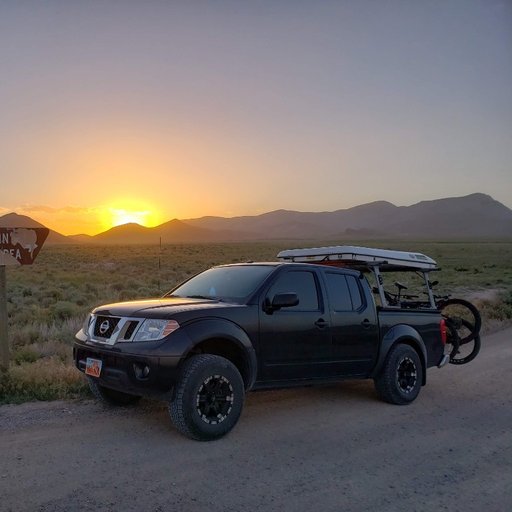
The Hidden Expenses of High-End Gear (The RTT Penalty)
Forum and Instagram culture sells a cost of entry illusion: $10k in mods before your first night on dirt. That is marketing, not a requirement. Overlanding is self-contained vehicle travel—sleep, water, navigation, recovery—without assuming hotels or tow trucks. Rock crawling is a different sport with different bills.
The most expensive mistake beginners make is buying sleep prestige before traction and navigation. A $2,500 hard-shell RTT on a stock crossover is a roof-mounted flex, not a capability upgrade.
The rooftop tent (RTT) tax
The sticker price is the smallest line item. The RTT tax stacks rack hardware, dynamic roof load, permanent aero drag, and a camp workflow that punishes spontaneity.
- Rack + mounting: $400–$900 before the tent bolts on—often skipped in “build cost” brags.
- Payload up high: Our editorial RTT load profile runs ~550 lb of gear vs ~300 lb for a weekend ground-tent kit—weight on the roof, not in the bed where it belongs.
- Fuel: A tall load typically costs 2–3 MPG on highway legs to the trailhead—paid every commute, not just on trip days.
- Camp friction: Need ice, a viewpoint parking lot, or a quick run to town? RTT life means full breakdown—15–25 minutes minimum—before the vehicle moves.
Rooftop tent vs ground tent — tactical reality
For how to start overlanding cheap, ground sleep wins on every spreadsheet row: lower center of gravity, faster setup, easier garage clearance, and no ladder in a rainstorm.
Overlanding in a stock SUV with folded seats + air mattress works for solo and couple trips if you value drive-and-park simplicity over Instagram silhouette.
RTTs earn their keep on multi-month loops where you camp somewhere new every night and accept the MPG and height penalty. They are a terrible first purchase for a two-night shakedown within cell range.
Remaining-payload columns use Overland Match load profiles; factory payload baseline still needs your door placard.
| Cost line | Sticker | Hidden hit | Notes |
|---|---|---|---|
| RTT shell | $1,500–$3,500 | — | Advertised price only |
| Roof rack / crossbars | $400–$900 | Dynamic roof load limits | Required before tent mounts safely |
| Payload / CG penalty | — | ~150–220 lb up high | Our RTT profile adds ~550 lb gear vs ~300 lb weekend kit |
| Fuel / aero drag | — | 2–3 MPG highway loss typical | Permanent until you remove the tent |
| Camp workflow | — | 15–25 min breakdown | Drive to trailhead for ice = full tear-down |
| Garage / height | — | Parking structure risk | Ladder life every night |
The $500 Allocation Matrix (Where to Actually Spend Money)
Here is a budget overland build allocation that buys utility, not aesthetics. Total: $500. Adjust ±20% for sales tax and what you already own—subtract categories you have, add a tire plug kit if you skip boards.
This is essential overland gear on a budget, not a complete life kit. It assumes a reliable vehicle you already paid for—overlanding in a stock SUV or used truck is the default donor.
What this budget deliberately excludes
- Lift kits, bumpers, and winches — capability theater before you have mileage on dirt.
- Aluminum drawer systems — $1,500 to organize gear you have not yet used.
- Starlink and dual-battery setups — solve problems you do not have on a two-night trip.
- Rooftop tents — see the RTT tax section; spend sleep money at ground level first.
The $500 allocation matrix
Total ≈ $500. Reallocate if you already own traction or sleep gear.
| Category | Budget | What to buy | Why it ranks here |
|---|---|---|---|
| Traction / recovery | $80 | Budget traction boards + solid shovel | Unstick > unspend. Boards and a shovel solve most beginner extractions. |
| Sleep system | $120 | Reliable ground tent or SUV air mattress | **Rooftop tent vs ground tent**: ground wins on setup speed, payload, and MPG. |
| Food / water storage | $150 | Rotomolded cooler + 5–7 gal water jugs | Ice + hydration beat a $400 fridge on trip one. |
| Navigation / safety | $100 | Offline maps subscription + proper first-aid kit | Find the road; patch the cut. No accessory rack required. |
| Illumination | $50 | Headlamp + USB camp lantern | Hands-free camp tasks and tent setup after dark. |
DIY Alternatives: Beating the Overland Premium
The overland premium is partly real (quality tires, rated recovery gear) and partly merchandising. DIY overland storage and sleep platforms beat branded cases when you are proving the lifestyle, not performing it.
Three DIY moves that actually work
- Plastic bin “drawers” — Stack 27–40 gal Action Packers or HDX totes in the cargo area. Label lids, strap to tie-downs. Cost: ~$80 vs $400–$800 aluminum case sets. Weight similar; dignity optional.
- Plywood sleeping platform — One sheet of ½″ plywood, four tie-downs, headroom measured with seats folded. Cost: ~$60 vs $2,000 slide-in drawer. Sleeps flat; stores bins underneath.
- Repurposed milk crate kitchen — One crate for stove + fuel, one for cook kit, one for trash. No “camp kitchen” brand required. Keeps diy overland storage modular when you upgrade later.
Build DIY until a real trip exposes a failure mode—water slosh, lid that will not latch on washboard, platform flex at highway speed—then upgrade one category with data, not a forum cart.
Real-World Capability vs. Marketing
The 80/20 rule of capability
A stock SUV with decent ground clearance (8″+ effective), all-terrain or aggressive all-season tires, and a driver who walks obstacles first reaches roughly 80% of North American public-land access roads—graded FS routes, BLM spurs, desert washes when dry.
The last 20%—mud pits, rock steps, side-hill clay—demands 4WD, lockers, or walking away. Instagram rigs spend $40k targeting that 20% while skipping first aid and offline maps.
Asset allocation: fuel and time off beat bolt-ons
Every dollar on a roof basket is a dollar not spent on fuel to the trailhead or a Tuesday off work. Overlanding returns are measured in nights out, not accessory count.
The contrarian truth: a $100k “expedition” build with a weak driver and no route plan is less capable than a stock hatchback with boards, a ground tent, Gaia GPS, and the humility to turn around.
Audit your actual gear needs before the next purchase: list every item from your last trip you never opened. If the list is longer than what you forgot at home, you are over-landed. Spend the next $500 on traction, sleep at ground level, water, maps, and light—not on making your rig look like a catalog cover. Then go touch dirt this weekend.
Stock SUV vs Instagram rig — who reaches the camp?
Neither replaces driver skill or weather discipline.
| Route type | Stock SUV + $500 kit | $100k expo build |
|---|---|---|
| Graded forest service road (dry) | Yes — clearance + tires matter most | Overkill — same road, worse MPG |
| BLM dispersed two-track | Usually — slow lines, spotter on berms | Same constraint: geometry not price |
| Mud after storm | Risky — traction kit or turn around | Still stuck without line discipline |
| Rock crawl park | Wrong tool — different sport | Maybe — if built for crawl, not overland |
FAQ
Can you really start overlanding for $500? On gear, yes—if you already own a reliable vehicle. How to start overlanding cheap means prioritizing recovery, sleep, water, and navigation over bolt-on cosmetics.
Is a rooftop tent worth it for beginners? Rarely. Rooftop tent vs ground tent math favors ground sleep until you are doing multi-week routes and accept MPG and setup-time penalties. Our rooftop tent regret guide covers the five operational realities that send owners back to the ground.
What is the best budget overland build? Stock or used SUV/truck + $500 kit: boards, shovel, ground tent or air mattress, cooler, water, offline maps, first aid, headlamp.
Does overlanding in a stock SUV work? For dry graded roads and BLM dispersed camp—often yes. Clearance and tires beat accessory count; know your turn-around rules.
What about DIY overland storage? Bins, plywood platforms, and milk-crate kitchens outperform expensive case sets until you know what you actually carry trip to trip.
Read next


 Index
Index