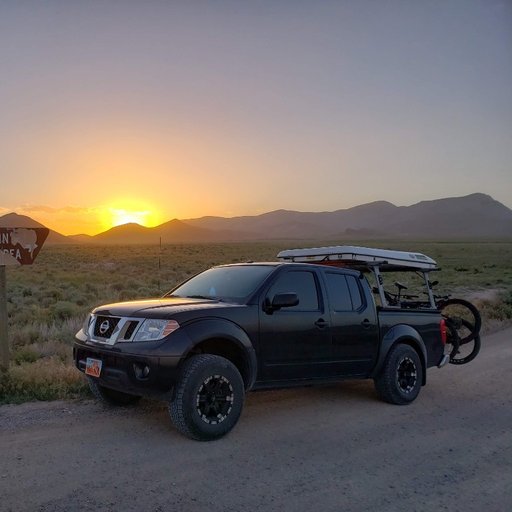
Size, payload & build headroom
Our editorial shorthand puts Tundra payload roughly two hundred pounds above the newest Tacoma—before you stack RTT, drawers, and passengers. That margin shows up in Tier 2 overland profiles where mid-size trucks hit the overload threshold faster. Tacoma fights back on bed access, total length in camp, and lower entry price on used 3rd-gen examples.
Trail width & camp access
Tacoma fits forest-service spurs and urban daily duty with less drama. Tundra is still not an F-250, but full-size width and wheelbase show up on tight switchbacks and crowded trailhead parking. Forum "Tacoma or Tundra?" threads often reveal the buyer never needed full-size towing—just wanted Toyota reliability with a bigger bed.
Powertrain & daily driver
3rd-gen Tundra brings twin-turbo and hybrid i-FORCE MAX options; 4th-gen Tacoma adds turbo and hybrid trims of its own. Tundra is the quieter long-haul choice for interstate legs with kids and gear; Tacoma is easier to live with when the truck is also your city commuter.
Money & used-market reality
Used 2nd-gen Tundras often land near new Tacoma money—compare build budget after purchase, not badge alone. Tacoma resale stubbornness is legendary; Tundra holds value in the full-size band without F-150 volume discounts. TRD Pro fantasies aside, most overland builds start at Off-Road trims with modest tire and rack upgrades.
Side by side
Bench two rigs
Neutral explorer presets (mid budget, rooftop tent vibe, capability emphasis). Match % is directional—take the quiz to weight your own priorities.
Editorial baseline

Editorial baseline

| SPEC | TOYOTA TACOMA (4TH GEN) | TOYOTA TUNDRA (3RD GEN, 2022+) |
|---|---|---|
| MATCH % (ED.) | 76% | 84% |
| PLATFORM | Toyota Tacoma (4th gen) | Toyota Tundra (3rd gen, 2022+) |
| PRICE BAND (ED.) | $39k – $63k new (hybrid trims higher) | $45k – $78k new · hybrid trims higher |
| RELIABILITY (ED.) | 8/10 | 8/10 |
| FACTORY GROUND CLEARANCE | 9.9″ | 10.6″ |
| FACTORY PAYLOAD (EMPTY) | 1,715 lb | 1,940 lb |
| CARGO (CU FT, APRX.) | 41 cu ft | 55 cu ft |
| TRAIL REALITY: TYPICAL OVERLANDING BUILD (RTT + FRIDGE SETUP) | ||
| REMAINING PAYLOAD (LOADED) | 865 lb | 1,090 lb |
| EFFECTIVE GROUND CLEARANCE (LOADED) | 9.2″ | 9.9″ |
| What is your target budget for the base rig | 4/5 | 4/5 |
| Who is coming along, and how heavy do you pack | 3/5 | 5/5 |
| What is your preferred sleep setup | 3/5 | 5/5 |
| What is the toughest terrain you realistically plan to tackle | 5/5 | 4/5 |
| What matters most to you | 4/5 | 3/5 |
Common questions
- Tacoma vs Tundra for overlanding?
- Tacoma when trail width, fuel, and mid-size parking matter. Tundra when payload, rear seat, and full-size bed length matter for RTT and drawer builds.
- Do I need a Tundra for a roof-top tent?
- No—Tacomas run RTTs routinely. Tundra gives more payload margin once the rack, tent, and passengers are aboard. Verify roof dynamic load and placard on your trim.
- Is the Tundra too big for overlanding?
- Too big for tight technical trails—not too big for graded dirt to dispersed camp. Match truck size to the routes and parking you actually use.
- Used 2nd-gen Tundra vs new Tacoma?
- Classic cross-shop. Used Tundra = full-size payload and V8 simplicity; new Tacoma = warranty, smaller footprint, and newest tech. Factor insurance, fuel, and build cash—not just monthly payment.
Real builds on these platforms
No one has shared a real build on Toyota Tacoma (4th gen) or Toyota Tundra (3rd gen, 2022+) yet.
Already have a Toyota Tacoma (4th gen)?
Read next




 Index
IndexStill torn?
Five questions on terrain, budget, and sleep style—get a shortlist with match scores tailored to how you actually camp.
Take the quiz →Factory payload, clearance, and cargo from manufacturer ratings — trim and year vary; verify on the door placard. Remaining-payload after occupants and gear is the Overland Match editorial load model.